
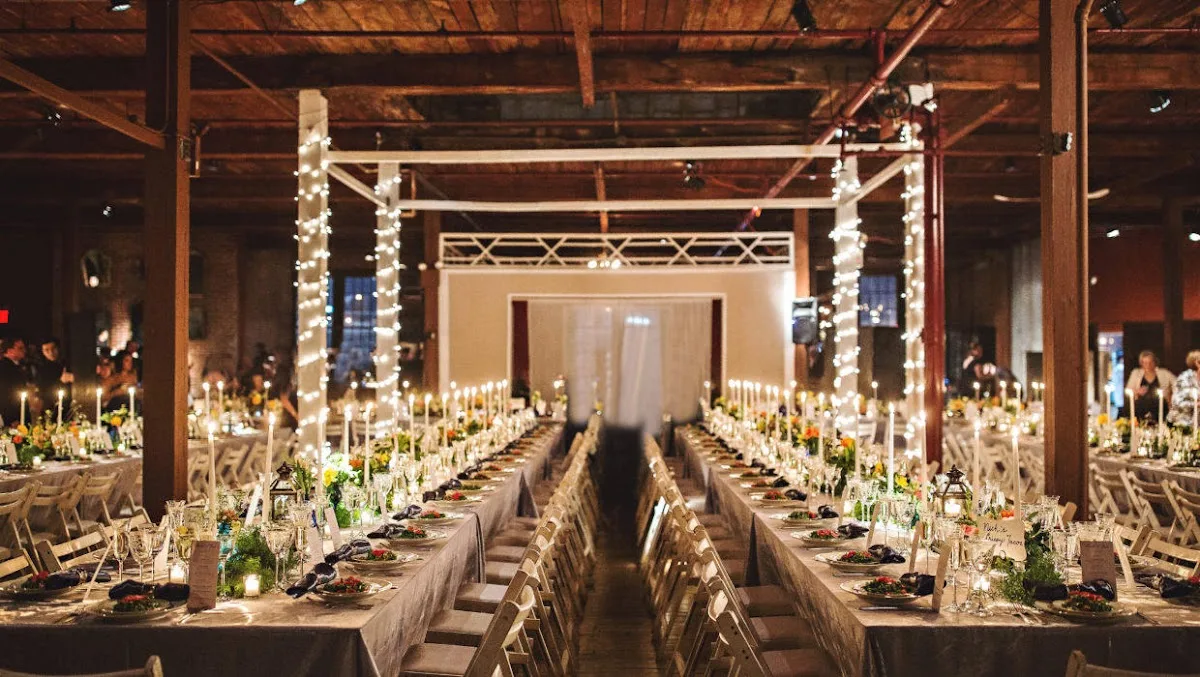
 Based at 3 Madison St in New York, Deborah Miller Catering & Events supports office catering and staffed-event delivery for a range of corporate and celebration formats.
Deborah Miller Catering & Events is a New York caterer operating from 3 Madison St, New York, NY 10038. The service is built around corporate event catering—think office lunches, conference meals, board breakfasts, and holiday parties—alongside wedding reception catering. With an independent business model, the team plans menus in advance so the food service matches the event format and guest count.
For anyone booking, the practical starting point is to treat catering like event production: identify the agenda, confirm how guests will receive food (plated, buffet, or family-style where the venue allows), and align the menu with any dietary traditions. The restaurant-day approach matters because corporate schedules usually leave less room for last-minute adjustments.
Start with the event format, not just the menu
The menu planning process is typically tied to how the event runs. If the plan calls for a board breakfast or a meeting-length lunch, the catering approach often prioritizes timing and portioning so food arrives when the agenda is ready. For plated dinners or bar-service receptions, staffed-event service becomes more critical because servers, bartenders, and event captains coordinate the flow.
Deborah Miller Catering & Events supports this kind of structured service with event captains and a staffed team when the booking requires it. For decision-makers, the takeaway is straightforward: specify the service style early, and the menu planning can follow.
How menu planning timelines usually work
Menu planning is not a same-week activity for most professional caterers. Deborah Miller Catering & Events’ process centers on preparation ahead of service, including dietary review and final menu sign-off typically two to four weeks before the event. That lead time supports tasting and adjustments—especially useful when the event includes a mix of dietary needs or cuisine preferences.
Booking earlier also helps when the venue has restrictions on prep space, serving logistics, or timing. For corporate clients, earlier planning can reduce schedule friction and keep meeting flow intact.
Corporate catering signals to confirm during booking
Because corporate events vary widely, the most valuable conversations tend to focus on the “signal” items that determine the experience. When requesting a proposal, confirm:
- Headcount: the plan should scale to the number of attendees.
- Delivery timing: coordinate with the office schedule and room turnover.
- Service staffing: decide whether servers, bartenders, or an event captain are needed.
- Cuisine-specific preferences: ensure the menu supports the regional cuisine or tradition the event expects.
For current contact and scoping, reach the business by phone at +1 212-964-1300. The official website is deborahmillercatering.com.
Wedding reception catering handled alongside office events
Deborah Miller Catering & Events also supports wedding reception catering, including plated dinners, buffets, and family-style service depending on the venue and guest count. That matters for couples because it signals the operation can handle different event rhythms—structured dinner service for weddings and time-critical meal delivery for corporate days.
Even if the booking is corporate-focused, you can use the wedding service categories as a reference point: plated versus buffet versus family-style tends to be the same decision framework, just applied to different guest expectations.
Where to book from (and what to gather before you call)
The easiest way to move forward is to plan the call with the essentials in hand: the event date, approximate headcount, the preferred service style, and any dietary traditions or restrictions. From there, the caterer can align menu planning to the event timeline and confirm what staffing or venue coordination is required.
For reference, the business location is 3 Madison St, New York, NY 10038. For fast intake, contact +1 212-964-1300 and use the official site for any additional details.
Quick booking checklist: service style, headcount range, timeline, dietary needs, and cuisine preference. When those items are clear, menu planning becomes a targeted process instead of a broad back-and-forth.