
When you’re comparing wedding caterers in Central Massachusetts, the real goal isn’t just “tasty food.” It’s a catering plan that fits how your guests will move, how long they’ll linger, and how your timeline works on the day. Farm to Fork Gourmet (1221 Main Street, Holden, MA 01520) positions itself as a full event food partner, and their team can be reached at +1 508-981-2775 and via http://farmtoforkgourmet.com/contact/. Use the questions below to pressure-test fit before you commit.
Start with the event type: wedding receptions and private celebrations
Farm to Fork Gourmet’s public information highlights wedding catering and wedding receptions/private celebrations. That signal matters because wedding service usually requires more than a standard party menu: you’re coordinating guest flow, timing windows, and the way food is staged so meals arrive hot (and drinks are ready when conversation picks up). Ask the caterer to describe how they structure a wedding catering service for receptions versus a smaller private gathering, and confirm whether they’ll align staffing and staging to your schedule.
Choose a menu format that matches your reception flow
Even when two caterers offer similar dishes, the menu format can create very different guest experiences. Before you talk flavors, map the reception to how people eat:
- Plated meal feel: better when guests are seated in predictable waves and you want a more formal pacing.
- Buffet or family-style: better when you want guests to self-serve, but you’ll need a replenishment plan that accounts for late arrivals and longer conversations.
- Drop-off or stationed bites: can work for cocktail-heavy events, but you’ll want clarity on coverage and timing so food doesn’t run out early.
During your conversation with Farm to Fork Gourmet, focus on how their menu packages and service approach translate into the actual moment your guests will be hungry—not just what’s on paper. If your schedule includes speeches, a photo block, or a first-look window, ask how they adjust food timing around those transitions.
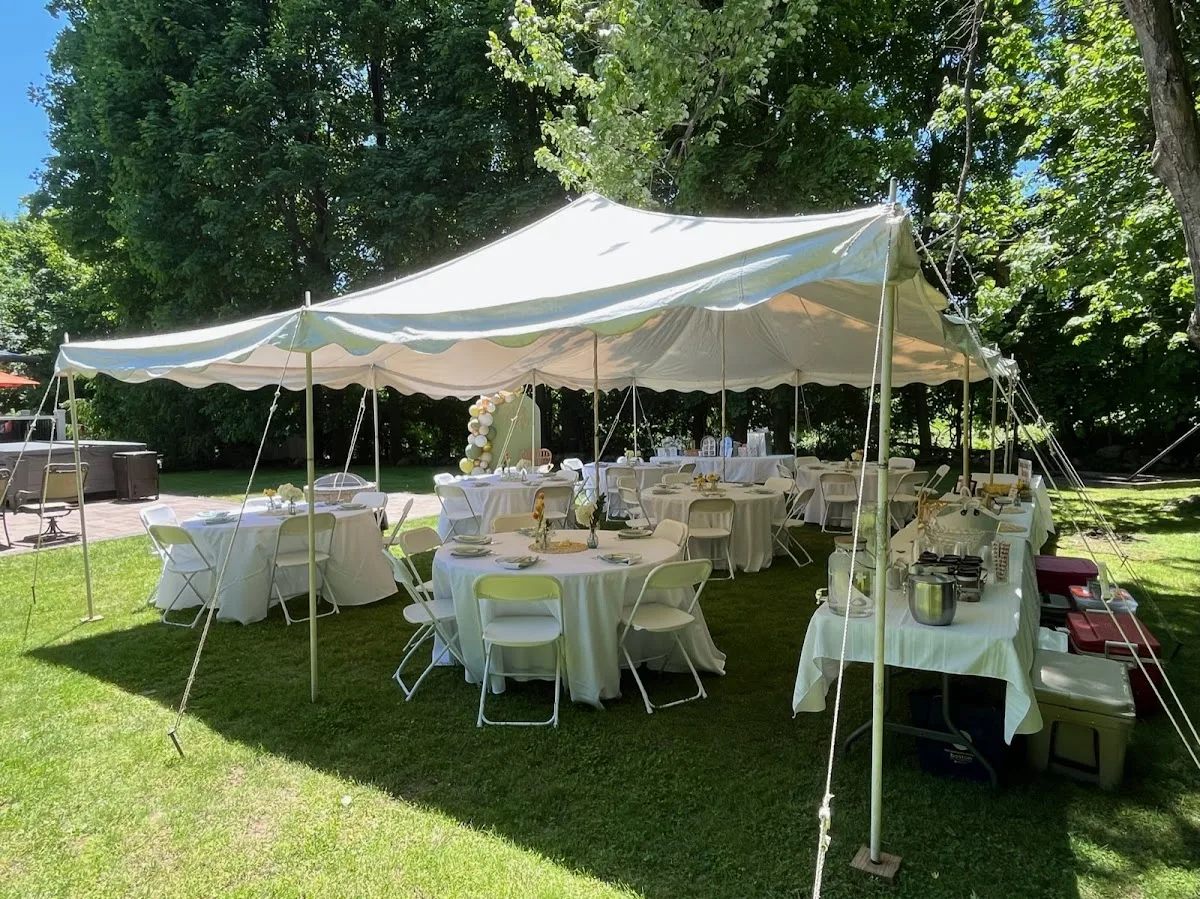
Use guest count to stress-test quantities and replenishment
Guest count is where “close enough” becomes an avoidable problem. A caterer may be great at feeding crowds in general, but the question for your wedding is whether their catering workflow can maintain consistent portions through your entire guest wave. Share your best estimate (plus any ranges) and ask how they plan for:
- Arrivals that run early or late
- Children’s portions (if applicable)
- Second helpings, if you’re considering buffet or family-style
- Dietary accommodations (what you know now vs. what you’ll confirm later)
Then confirm what “success” looks like operationally: do they build in safety buffers, and how do they prevent food from cooling or running short mid-service?
Lock down delivery and setup timing with your day-of schedule
Wedding logistics are built on timing, not desire. Farm to Fork Gourmet states that it serves Central Massachusetts and also indicates it services all of Massachusetts and beyond. That’s a useful starting point, but you still need concrete details for your specific location and schedule. Ask for a delivery and setup timeline that matches your reception flow—especially if you’re working with a venue that has strict access hours.
To keep the planning tight, prepare a simple run-of-show summary and ask how catering delivery windows should be placed around it. Examples of what to confirm:
- When equipment or hot-holding needs to arrive
- How long setup typically takes for your chosen service format
- Whether the team handles staging, staffing, and on-site coordination
- What happens if guest arrivals or events run late
Ask for clarity on next steps before you compare prices
Once you understand menu format, guest-count planning, and timing logistics, comparing quotes becomes much easier. Use the Farm to Fork Gourmet contact page to start that conversation, then request written confirmation of the catering plan elements you discussed: service style, how quantities are handled, and a delivery/setup schedule aligned to your wedding day. If something can’t be confirmed yet, ask what they will need from you (final headcount timing, dietary list deadlines, and venue access details) so you’re not guessing later.
A strong catering match feels practical. When the menu structure aligns with how guests will eat, when guest count is used to build quantities that hold up through service, and when delivery/setup timing fits your venue and run-of-show, your wedding reception stops being a logistics stress test—and becomes a smooth experience for the people you’re celebrating.