
Chef Collette Catering & Africa Market
Wedding Caterer
+1 682-248-3243
Standalone profile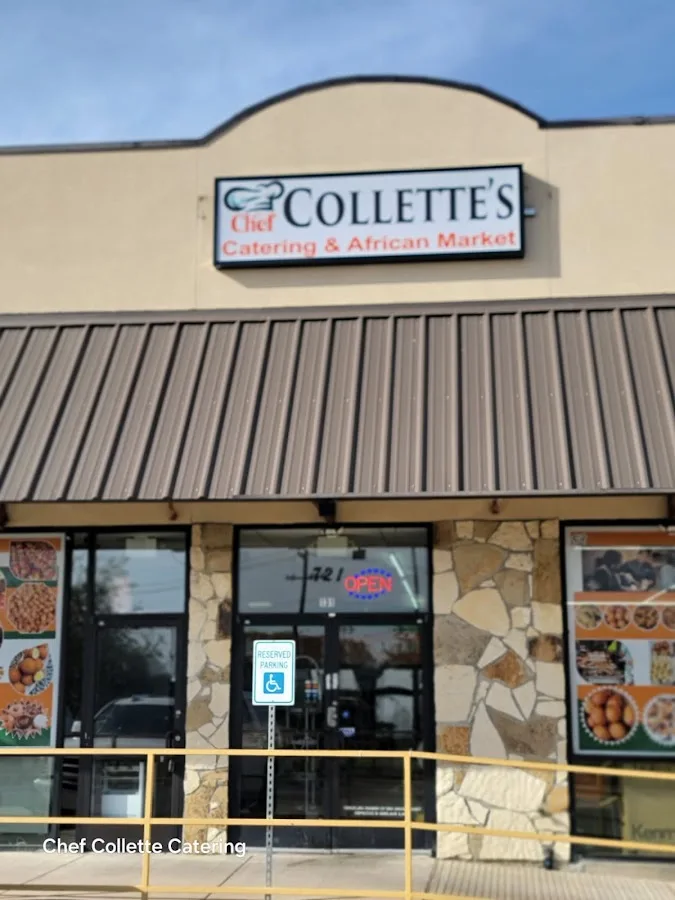
The Menuevents on the kitchen's roster
Standing Servicepractice overview
Chef Collette Catering & Africa Market offers support related to catering and event food service in Arlington, TX, including Wedding catering, Menu planning. The location is shown at Chefcollette pastries, 721 SW Green Oaks Blvd, Arlington, TX 76017, United States. A phone number and website are available for current service, pricing, and scheduling questions.
The available service information for Chef Collette Catering & Africa Market covers Wedding catering, Menu planning, Wedding receptions and private celebrations, and Cuisine-specific event menus within catering and event food service.
A useful first step is to describe the specific need, location, preferred timing, and any constraints that could affect the work or appointment.
The street address shown for the business is Chefcollette pastries, 721 SW Green Oaks Blvd, Arlington, TX 76017, United States.
Direct contact is available by phone and through the company website.
Review recent terms and contact information directly when timing, travel, documents, property access, or payment details matter.
Before arranging service, ask which event types are accepted, how minimums and timing work, what dietary claims must be confirmed, and who coordinates delivery or staff on event day.
Ask for current access rules, fees, capacity limits, scheduling terms, and cancellation policies before making plans.
Clear written answers make it easier to compare the offering with the specific need.
Mise en Placebooking facts
- Phone+1 682-248-3243
- Sitechefcollettepastries.com
- Kitchen baseChefcollette pastries, 721 SW Green Oaks Blvd, Arlington, TX 76017, United States
- SpecialtyWedding Caterer
Regional Planningdetails to verify for this event
Local requirements and venue rules can vary in Arlington, TX. Before booking, ask the caterer and venue which permits, insurance documents, kitchen-access rules, delivery windows, alcohol-service requirements, taxes, and fees apply to this specific event. Treat the written proposal and current local guidance as the source of truth.
Consider Before You Callfive questions to bring to the booking
- How far in advance do weddings book up, and is a tasting offered before the contract is signed?
- Do you handle the full menu-planning consult, or do we work with an outside event planner?
- What is included in the per-head price — appetizers, dessert, non-alcoholic drinks, gratuity, taxes?
- Do you carry a current health-department permit and a certificate of insurance the venue can request?
- How many courses or stations are within the per-head package, and what counts as an upgrade?
Table Questionsfrequent asks at the booking
- How is catering priced — per head or per dish?
- Pricing formats differ by caterer and event. Ask for a written proposal that identifies food, beverages, staffing, rentals, delivery, setup, taxes, fees, and any optional upgrades as separate line items.
- How far ahead should the kitchen be booked?
- Availability depends on the date, guest count, menu, staffing needs, and venue. Contact the caterer with those details and ask for the reservation deadline, deposit terms, and final headcount date in writing.
- Drop-off versus full-service — what is the practical difference?
- Do not rely on the label alone. Ask exactly who delivers, sets up, serves, clears, handles beverages, supplies equipment, and coordinates with the venue, then compare that written scope across proposals.
- How is the menu tasting handled?
- Ask whether a tasting is available, what it includes, what it costs, who may attend, and whether changes made afterward will alter the quote. The caterer's written tasting policy should control.
- What is the difference between a wedding caterer and a regular caterer?
- Directory categories describe public listing signals, not a guarantee of current scope. Ask about recent events similar to yours, the service timeline, staffing plan, venue coordination, and what is included in the contract.
- Tipping and service charges — how do they work?
- Ask the caterer to define every service charge, administrative fee, gratuity, and optional tip in the written quote. Do not assume one line item is distributed to staff unless the contract says so.