
Silver Spoons Catering & Events
Wedding Caterer
+1 303-356-9009
Standalone profile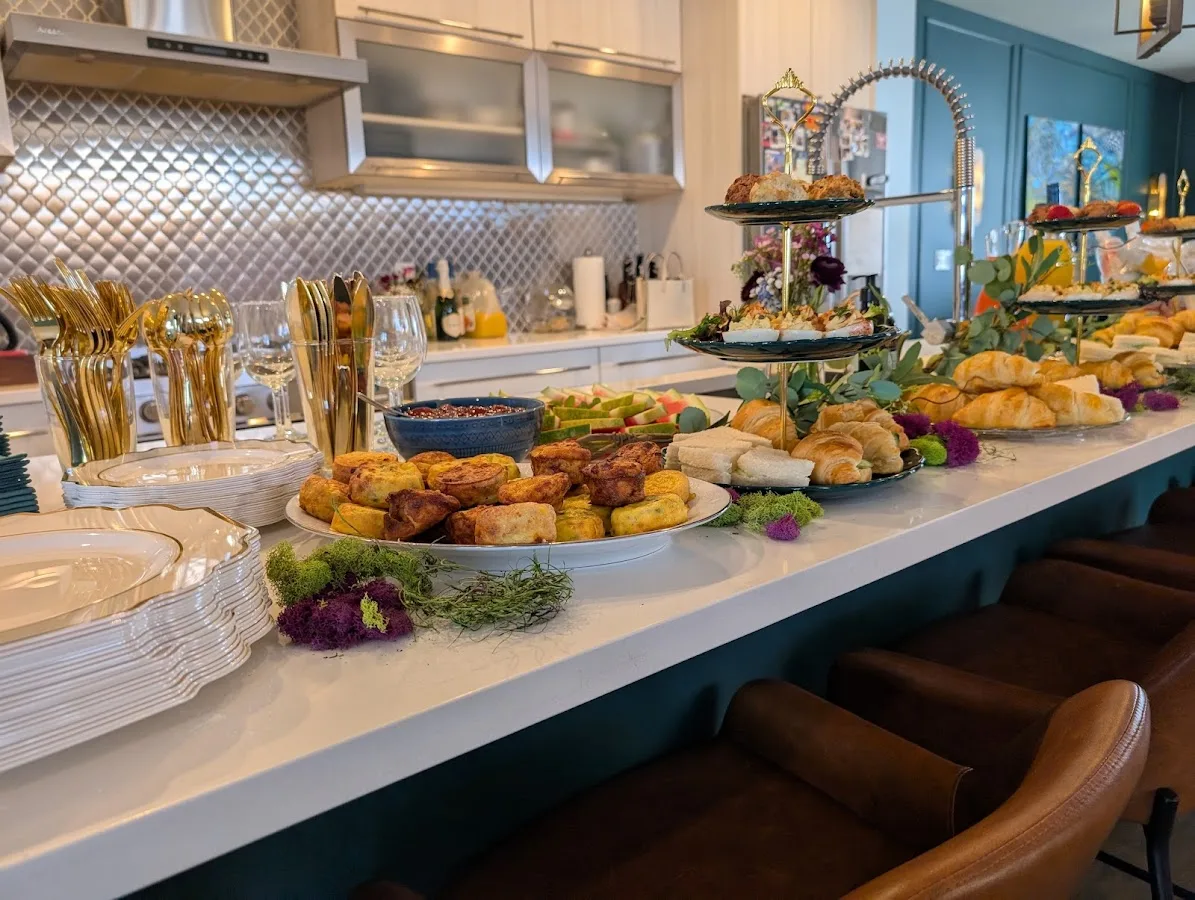
The Menuevents on the kitchen's roster
Standing Servicepractice overview
Silver Spoons Catering & Events offers wedding, corporate, and social event catering at 1170 S Kalamath St in Denver. Documented options include plated dinners, family-style meals, buffets, boxed lunches, staffed stations, passed appetizers, dessert stations, beverage service, drop-off catering, and full-service coordination. Menus can accommodate gluten-free, vegan, and keto requests.
Silver Spoons Catering & Events provides catering for weddings, corporate gatherings, celebrations of life, and social events in Denver and surrounding areas.
The business is based at 1170 S Kalamath St, Denver, CO 80223, with contact available at +1 303-356-9009.
Its event planning process covers menu ideas, food quantities, space setup, and other event details.
Wedding offerings include plated dinners, family-style meals, buffets, custom menus with private chef tastings, stations, passed appetizers, and late-night bites.
Corporate catering includes boxed lunches, buffets, chef-led stations, plated board dinners, cocktail receptions, and happy hours, with documented gluten-free, vegan, and keto dietary accommodations.
Additional services include staffed stations, party platters, grazing tables, dessert stations, coffee and espresso bars, drop-off platters, delivery, and full-service catering.
Confirm the current menu, staffing needs, venue coordination, pricing, and scheduling details for the specific event.
Mise en Placebooking facts
- Phone+1 303-356-9009
- Sitesilverspoonscatering.com
- Kitchen base1170 S Kalamath St, Denver, CO 80223, United States
- SpecialtyWedding Caterer
Regional Planningdetails to verify for this event
Local requirements and venue rules can vary in Denver, CO. Before booking, ask the caterer and venue which permits, insurance documents, kitchen-access rules, delivery windows, alcohol-service requirements, taxes, and fees apply to this specific event. Treat the written proposal and current local guidance as the source of truth.
Consider Before You Callfive questions to bring to the booking
- What's the minimum headcount for a corporate booking, and is there a separate weekday vs. weekend rate?
- How far in advance do weddings book up, and is a tasting offered before the contract is signed?
- What's the server-to-guest ratio you staff at, and is bar service an additional package?
- What is included in the per-head price — appetizers, dessert, non-alcoholic drinks, gratuity, taxes?
- Do you carry a current health-department permit and a certificate of insurance the venue can request?
Table Questionsfrequent asks at the booking
- How is catering priced — per head or per dish?
- Pricing formats differ by caterer and event. Ask for a written proposal that identifies food, beverages, staffing, rentals, delivery, setup, taxes, fees, and any optional upgrades as separate line items.
- How far ahead should the kitchen be booked?
- Availability depends on the date, guest count, menu, staffing needs, and venue. Contact the caterer with those details and ask for the reservation deadline, deposit terms, and final headcount date in writing.
- Drop-off versus full-service — what is the practical difference?
- Do not rely on the label alone. Ask exactly who delivers, sets up, serves, clears, handles beverages, supplies equipment, and coordinates with the venue, then compare that written scope across proposals.
- How is the menu tasting handled?
- Ask whether a tasting is available, what it includes, what it costs, who may attend, and whether changes made afterward will alter the quote. The caterer's written tasting policy should control.
- What is the difference between a wedding caterer and a regular caterer?
- Directory categories describe public listing signals, not a guarantee of current scope. Ask about recent events similar to yours, the service timeline, staffing plan, venue coordination, and what is included in the contract.
- Tipping and service charges — how do they work?
- Ask the caterer to define every service charge, administrative fee, gratuity, and optional tip in the written quote. Do not assume one line item is distributed to staff unless the contract says so.